The Kinetic Doctrine:
Strategic Mastery of Mongol Horseback Archery

In the annals of military history, few entities have achieved the level of systematic lethality realized by the Mongol tumen of the 13th century. At the core of this hegemon lay a synthesis of biology and technology: the mounted archer. Far from a disorganized nomadic horde, the Mongol military was a highly disciplined machine that leveraged horseback archery not merely as a skill, but as a doctrine of mobile warfare.
The Biomechanical Synthesis
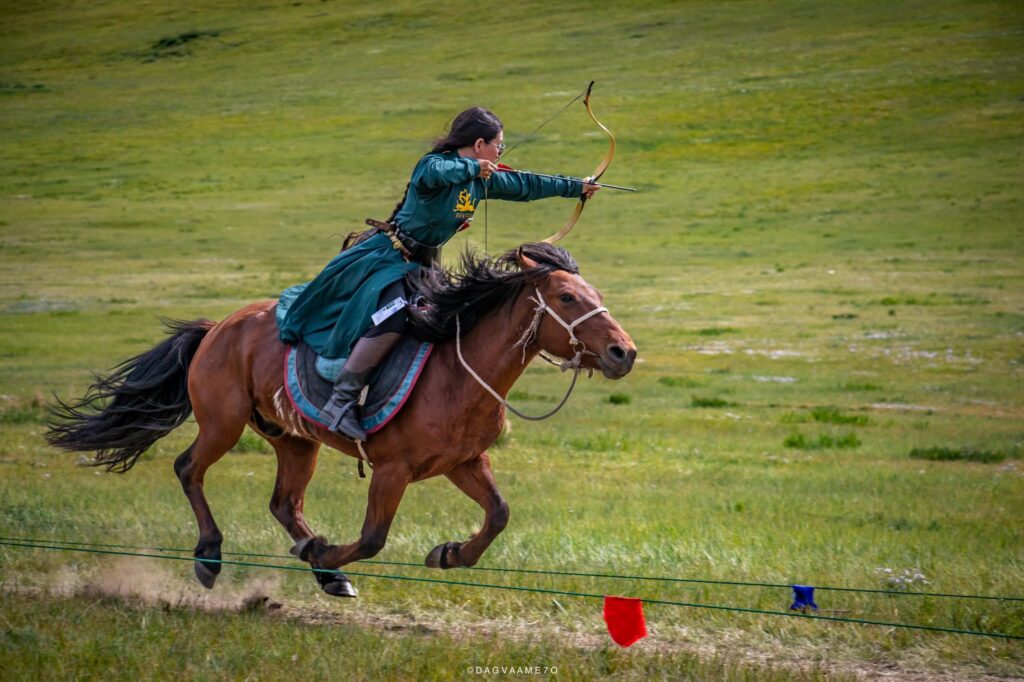
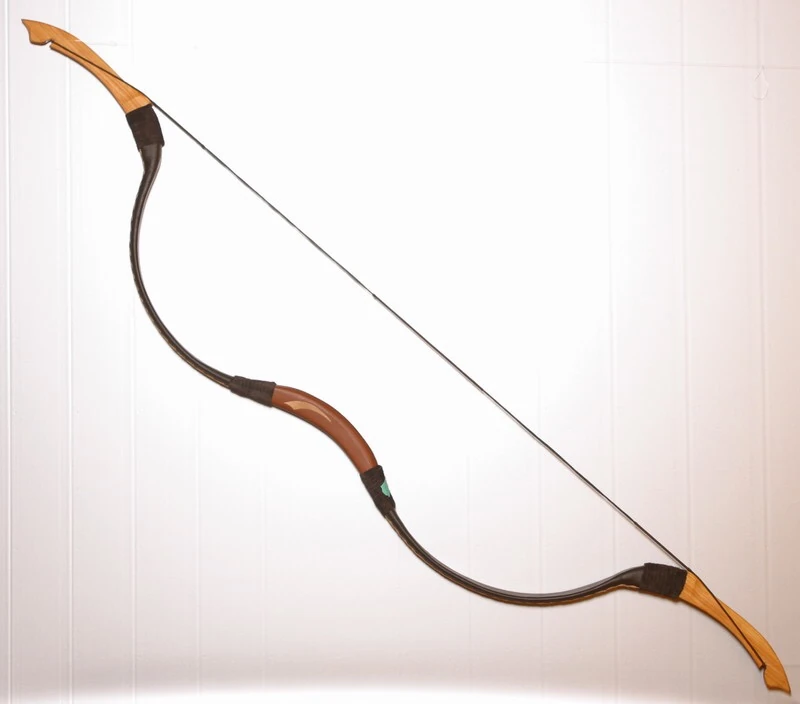
The efficacy of the Mongol archer was rooted in the seamless integration of the rider, the horse, and the recurve composite bow. Constructed from a sophisticated lamination of birch, horn, and sinew, the Mongol bow provided a draw weight and projectile velocity that rivaled the English longbow while remaining compact enough for mounted use.
To achieve accuracy at a full gallop, the archer timed the release of the arrow to the brief moment when all four of the horse’s hooves were off the ground, minimizing vibration and maximizing stability.
The Three Vectors of Fire
Frontal Engagement
Employed during initial charges to soften enemy ranks or break infantry squares.
Lateral Fire
Used during “canton” maneuvers, where units circled the enemy in a continuous loop, maintaining a constant barrage.
The Parthian Shot
The most psychologically devastating technique, firing backward while executing a tactical withdrawal.
Mobility as a Force Multiplier
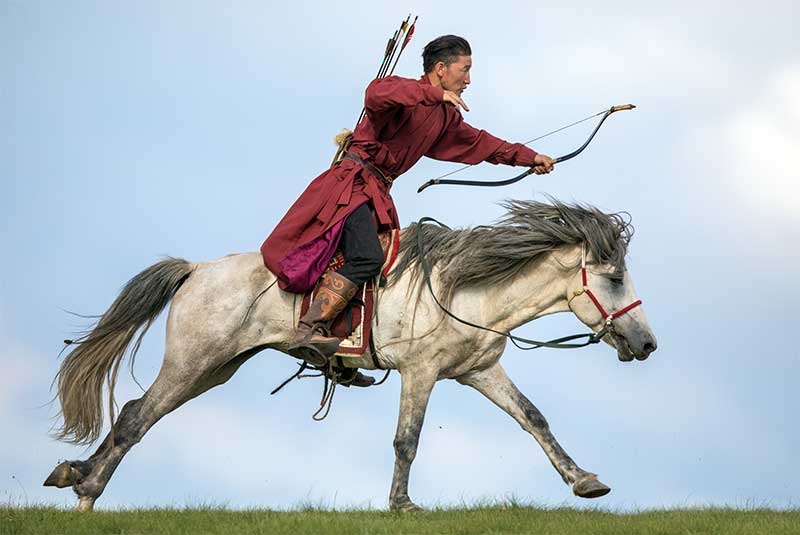
In Mongol doctrine, speed was not a secondary attribute; it was a primary weapon. By utilizing a string of five or more horses per soldier, the Mongol army could cover distances that defied contemporary logistical expectations. This kinetic flexibility ensured that the Mongol archer was always the hunter, never the prey.
The Decimal System
Army units were divided into groups of 10 (Arban), 100 (Zuun), 1,000 (Mingghan), and 10,000 (Tumen), allowing for complex, coordinated maneuvers.
Communication Tech
Whistling arrows—projectiles with hollow heads—were used to signal targets and maneuvers across the battlefield’s roar.
Psychological Warfare
The Mongol approach to warfare was as much psychological as it was physical. The relentless, rhythmic nature of their arrow storms was designed to break the enemy’s will. They excelled in the feigned retreat, a maneuver requiring extreme discipline, where they would simulate a rout to draw the enemy out of fortified positions before systematically annihilating the disorganized pursuers.
Conclusion
The Mongol horseback archer represented the pinnacle of pre-modern military science. Through the combination of the composite bow, the decimal command structure, and a doctrine centered on high-velocity attrition, they established a martial legacy that remains a fundamental study in the effective application of mobile fire.