
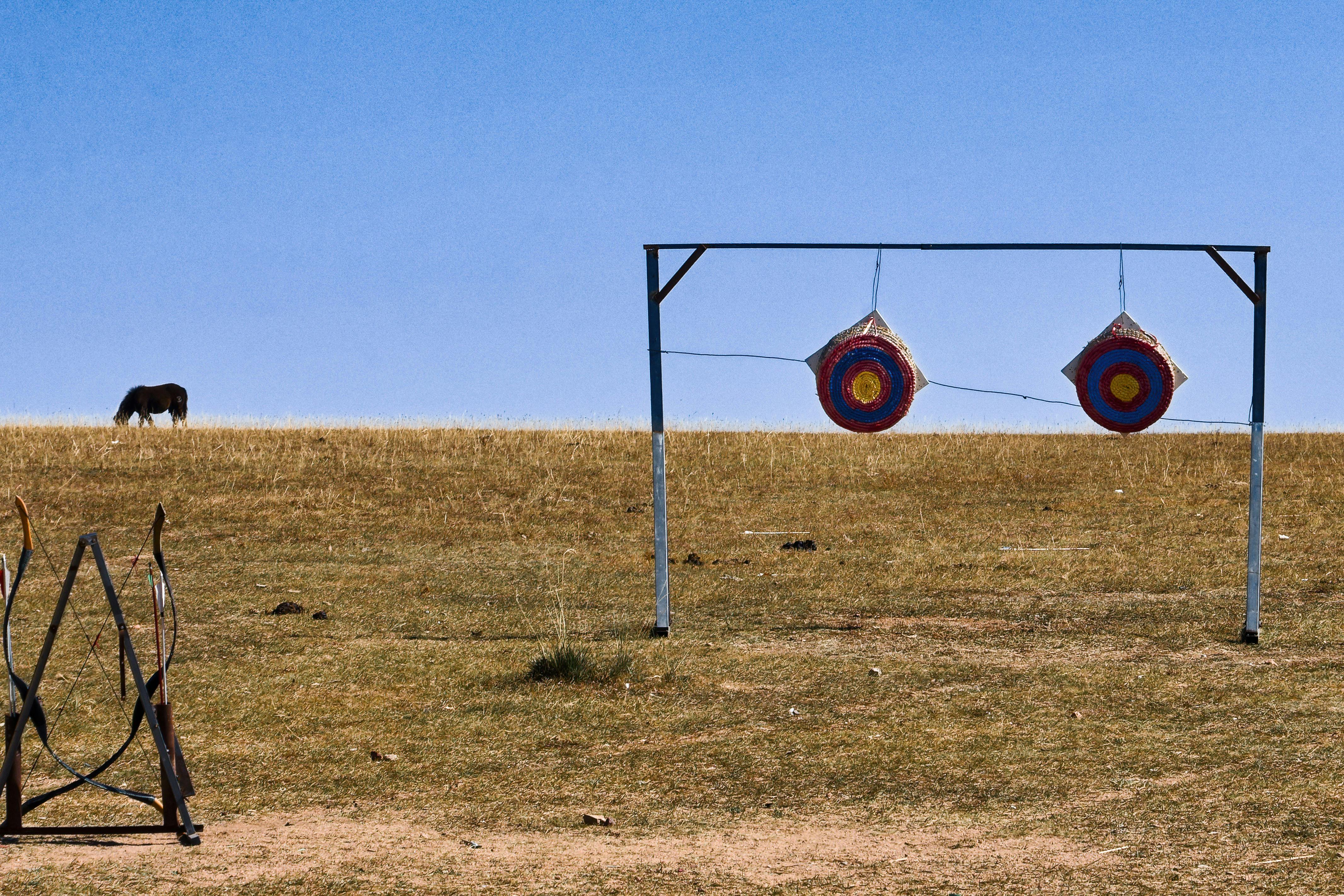
The Power of the Composite Bow
Step into the technical world of traditional steppe ballistics and study the complex engineering behind the horn, wood, and sinew composite bow. This advanced masterclass covers the biomechanical principles of the Mongolian thumb draw, the unique structural dynamics of rigid siyahs, and the tactical mounted shooting methods that permanently redefined ancient warfare on the move.
The Weapon That Forged an Empire
The composite bow of the Mongol armies stands as one of the most significant technological achievements in pre-industrial military history. By combining materials with contrasting properties—wood for structure, horn to withstand compressive forces on the belly, and sinew to absorb tensile forces along the back—ancient bowyers created a weapon of extraordinary efficiency. Its short, reflexed design made it maneuverable on horseback, delivering draw weights exceeding eighty pounds.
This combination of organic materials allowed the archer to achieve flat arrow trajectories and high kinetic energy transfer, capable of penetrating heavy iron armor at range. Our training programs break down these physical attributes, helping modern practitioners understand the precise alignment of body, bow, and string. Through detailed biomechanical analysis, we guide students in mastering the high-tension draw cycle and release.
Mechanics of the Release
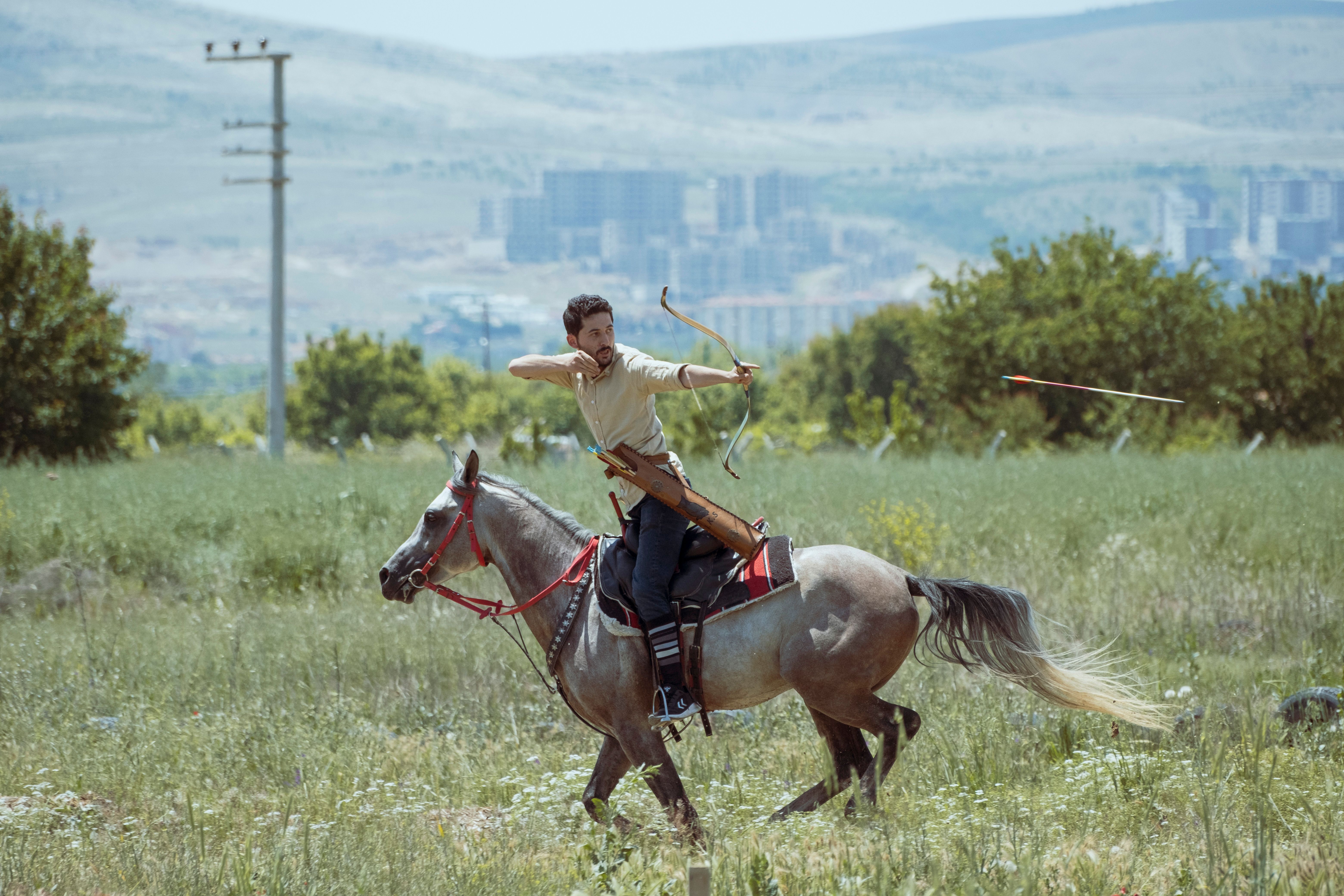
The traditional Mongolian thumb draw represents a major shift from the Mediterranean three-finger draw. By locking the index finger over the thumb, the archer creates a secure hold that keeps the arrow pressed firmly against the bow window, preventing it from slipping off during rapid riding. The draw thumb is protected by a specialized ring made of jade, metal, or horn. This rigid surface allows the bowstring to slip away with minimal friction, producing an instantaneous release that maximizes arrow velocity and reduces string deflection.
Layers of Power
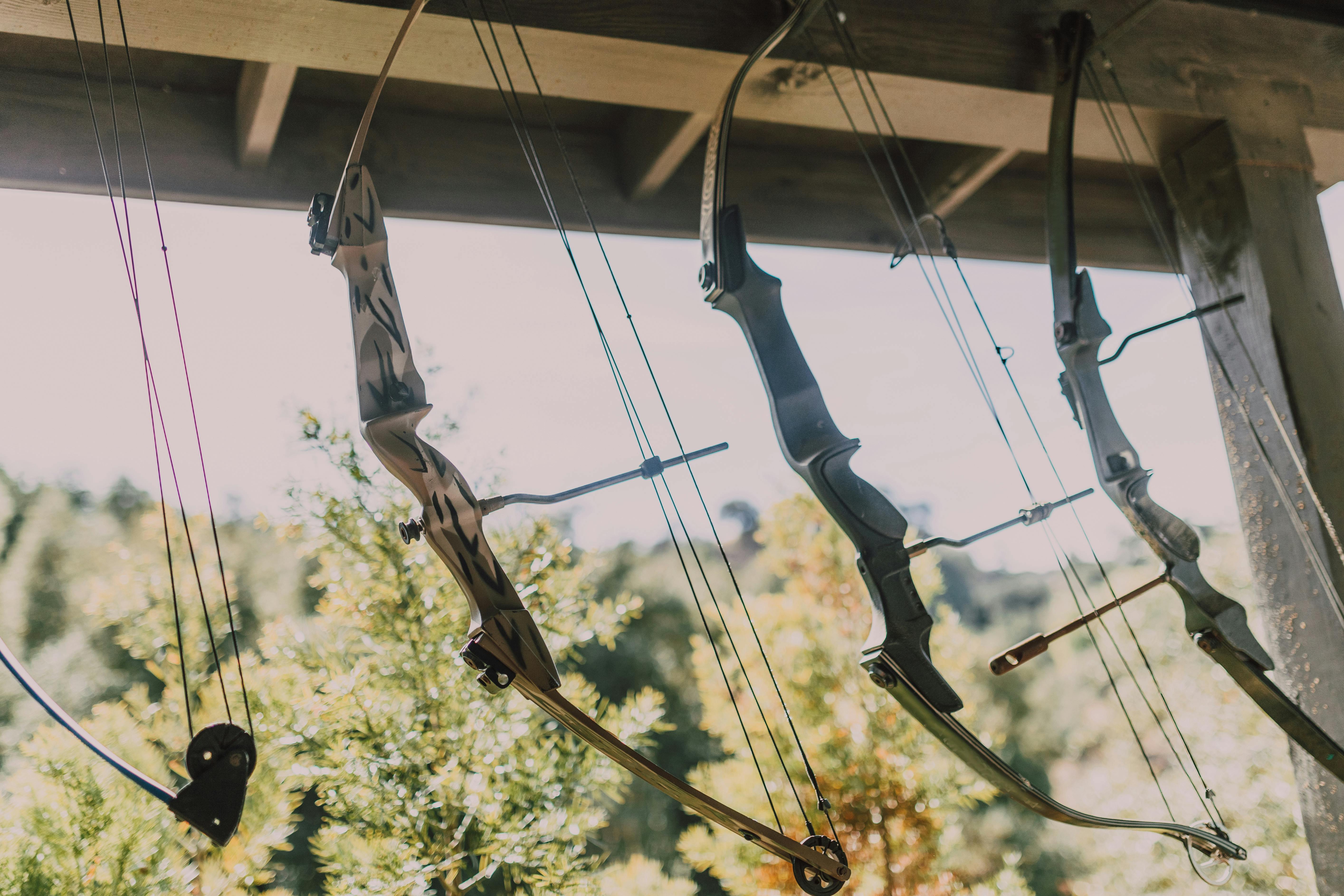
Constructing a traditional composite bow requires a meticulous curing process that can take up to a full year. The core, usually made of birch or bamboo, is seasoned and shaped. Horn strips taken from water buffalo or ibex are glued to the inner face to resist the high compressive forces when the bow is drawn. On the outer face, multiple layers of dried, shredded animal sinew are applied using fish-bladder glue to handle the intense tension. This complex combination of organic materials results in a highly efficient energy storage system.

The Parthian Shot
The Parthian shot was a signature tactical maneuver of the Mongolian horse archers. Warriors would feign a panic-stricken retreat, drawing eager enemy cavalry out of their organized formations. As the enemy pursued, the Mongol archers would pivot backward in their saddles, discharging arrows with deadly precision while riding away at a full gallop. This deceptive technique turned a seeming retreat into a devastating counter-offensive, scattering the enemy forces and leaving them highly vulnerable to a coordinated counter-attack.
Understanding the Gear
The Siyahs
The rigid wooden outer tips of the composite bow, known as siyahs, function as mechanical levers. During the release, they accelerate the string forward, imparting maximum velocity and kinetic energy to heavy arrows.
Thumb Rings
Crafted from water buffalo horn, bone, jade, or other semi-precious stones, these specialized rings protect the archer’s thumb from the high pressure of the heavy bowstring, ensuring a smooth release.
Quivers and Bowcases
Designed specifically for mounted combat, arrows were carried point-up in the quiver, allowing the archer to immediately identify the required arrowhead type by touch alone during high-speed engagements.
“The composite bow is not merely a tool of war, but the absolute soul of the nomad, containing the history, engineering genius, and enduring spiritual connection to the vast Central Asian grasslands.”— Academy Precept
Return to the Expedition
Take your understanding of steppe archery to the next level. Continue your path of learning by exploring the historical chronicles of the great khans and the deep equine culture that supported their conquests.