Archery Traditions
of the World
For millennia, the bow has shaped the course of human history. Yet, to view it merely as an instrument of survival or a weapon of conquest is to fundamentally misunderstand its enduring legacy. Across civilizations, the bow has been elevated to a profound spiritual and philosophical path—a discipline of personal development, mental fortitude, and deep connection with the natural world.
The Academy Institution
We stand as an international institution dedicated to the preservation and exploration of these sacred arts, inviting cultural explorers and modern practitioners to journey through the global heritage of the draw.

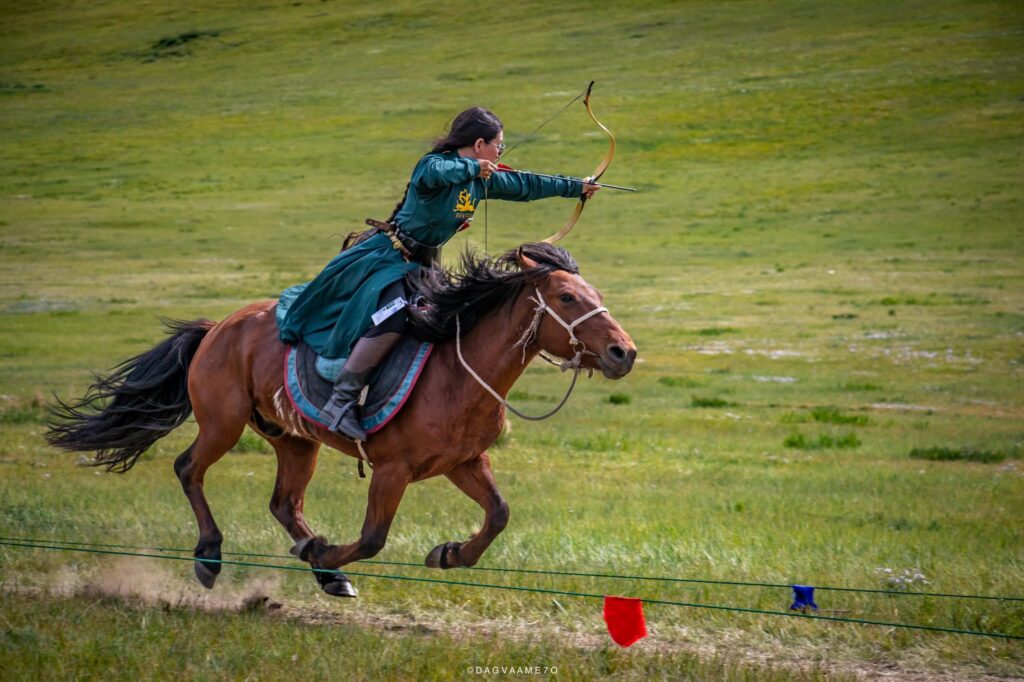
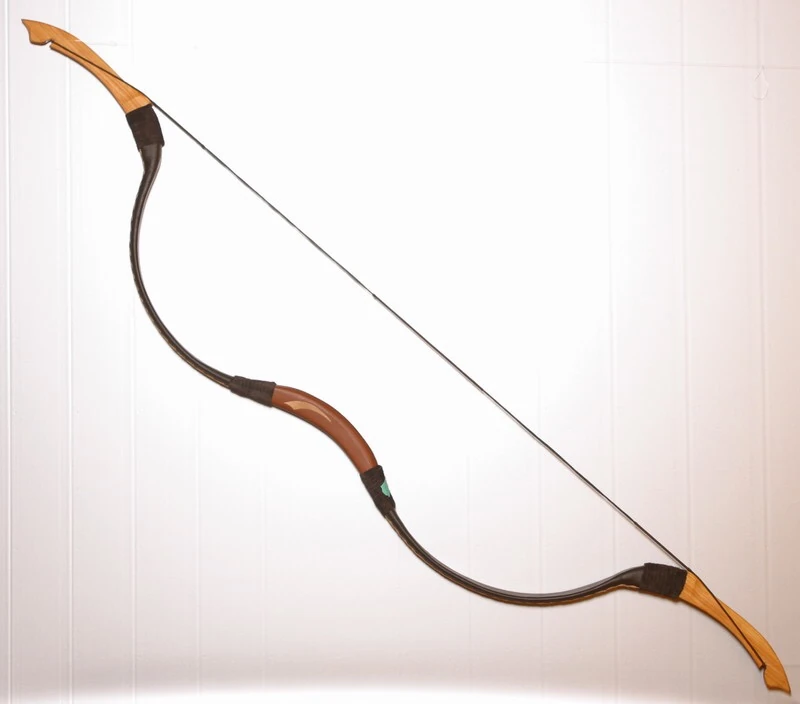
The Steppe Tradition
For the nomadic horse archers, the bow was synonymous with life itself. Defined by unparalleled mobility and the symbiotic relationship between archer, horse, and landscape.
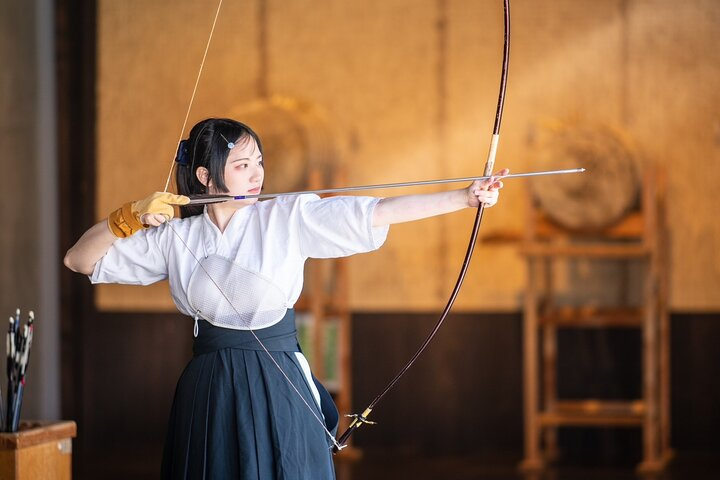
Kyudo: The Way of the Bow
In Japan, the bow evolved into a path of supreme meditative stillness. Kyudo is a discipline where the target reflects the archer’s inner self, utilizing the unique yumi.
Ottoman Flight Shooting
The Ottomans developed archery into a high science and a revered spiritual pursuit, crafting specialized horn-and-sinew composite bows engineered for extreme distance.
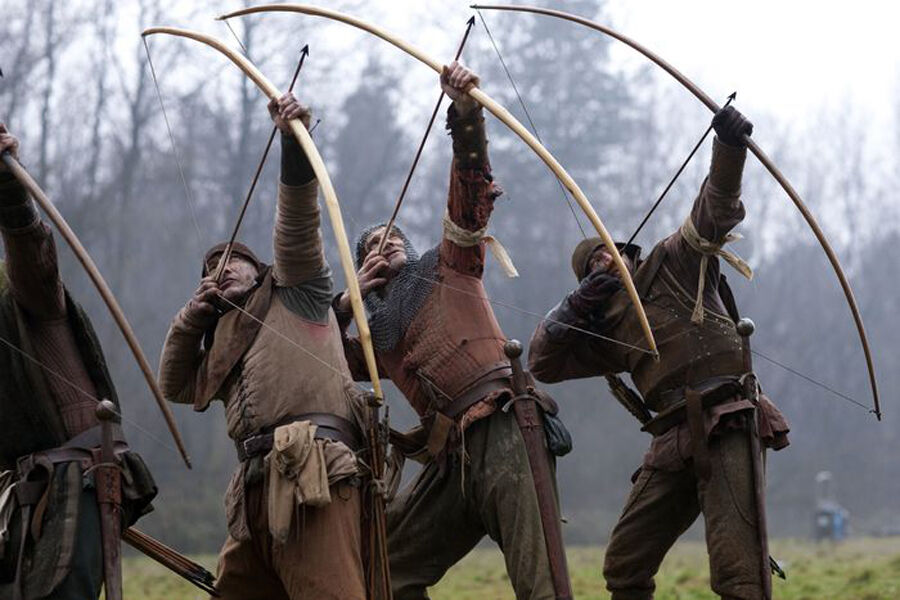
The English Longbow
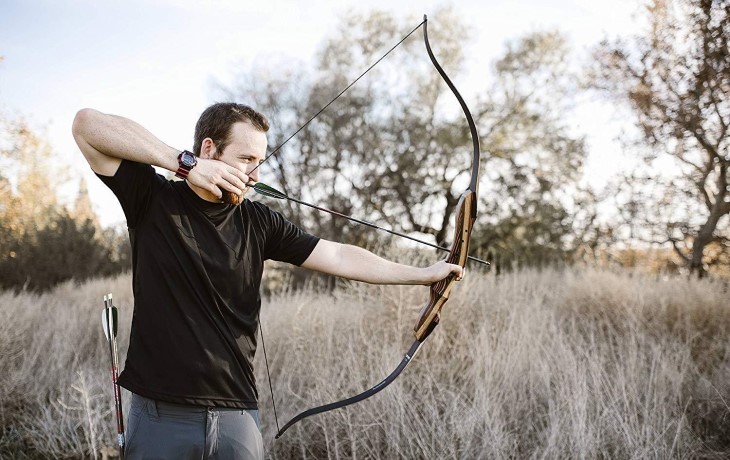
Hewn from single yew wood staves, the longbow required a lifetime of conditioning. Mastering it was an exercise in raw, grounded power and resilience.

Korean Gungdo
A continuous ritualized heritage practiced for millennia. Gungdo demands immense mental fortitude and operates within a framework of profound respect.
A Universal Teacher
At the Academy, we recognize that to study these traditions is to study humanity. Whether through the dynamic mobility of the steppe, the Zen-infused asymmetry of the yumi, the skyward reach of the Ottomans, the grounded might of the English yew, or the ritualistic continuity of Korea, the bow remains a universal teacher.